Is Trump's Strategy Against Iran Driven by Oil Interests?
The relationship between the United States and Iran has been tense for decades, marked by conflict, sanctions, and diplomatic struggles. Under Donald Trump's presidency, this tension escalated significantly, raising questions about the true motivations behind his administration's aggressive stance. One of the most debated topics is whether Trump's strategy against Iran was primarily driven by oil interests. This article explores the complex interplay of geopolitics, energy resources, and strategic calculations to shed light on this question.
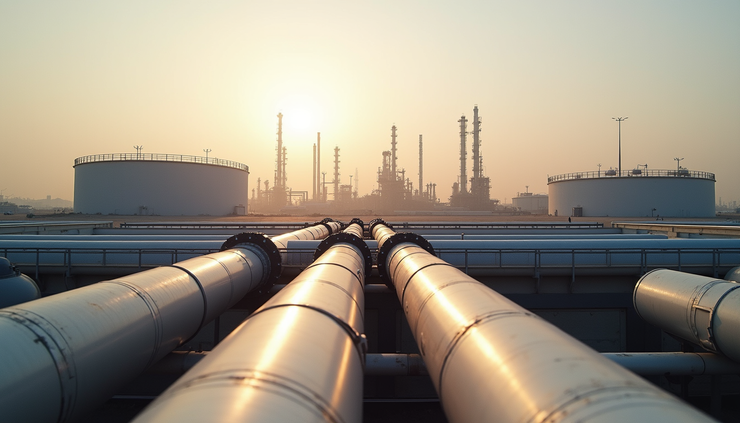
The Geopolitical Context of US-Iran Relations
The US-Iran relationship has been shaped by a series of historical events, including the 1979 Iranian Revolution, the hostage crisis, and Iran’s nuclear program. These events have created a foundation of mistrust and hostility. Trump's administration took a hardline approach, withdrawing from the 2015 Iran nuclear deal (JCPOA) and imposing severe economic sanctions.
The US justified these actions by citing Iran’s nuclear ambitions, support for militant groups, and destabilizing activities in the Middle East. However, critics argue that these reasons mask deeper economic and strategic interests, particularly related to oil.
Why Oil Matters in the Middle East
The Middle East holds about 48% of the world’s proven oil reserves, making it a critical region for global energy security. Iran itself possesses the fourth-largest proven oil reserves globally. Control over or influence in this region means significant leverage over global oil markets.
Oil is not just an economic commodity but a strategic asset. Countries with access to oil resources can influence global prices, energy supply chains, and geopolitical alliances. For the US, maintaining influence in the Middle East ensures energy stability for itself and its allies.
Trump's Energy Policies and Middle East Strategy
During Trump's presidency, the US pursued an "energy dominance" policy aimed at increasing domestic oil and gas production. The US became the world’s largest oil producer, reducing its dependence on Middle Eastern oil. Despite this, the administration maintained a strong military presence in the region.
Trump’s withdrawal from the Iran nuclear deal and the re-imposition of sanctions targeted Iran’s oil exports, which are a major source of revenue for the country. The sanctions aimed to cut Iran’s oil income drastically, crippling its economy and limiting its ability to fund regional proxies.
This approach suggests that oil was a significant factor in the strategy. By restricting Iran’s oil exports, the US sought to weaken Iran economically and politically.
Economic Impact of Sanctions on Iran’s Oil Sector
Sanctions under Trump’s administration severely limited Iran’s ability to sell oil internationally. Before the sanctions, Iran exported about 2.5 million barrels per day. After sanctions tightened, exports dropped to less than 500,000 barrels per day.
This decline had a devastating effect on Iran’s economy, leading to inflation, unemployment, and social unrest. The sanctions also pressured countries like China, India, and Turkey to reduce their oil imports from Iran, despite some attempts to bypass restrictions.
The economic pressure was designed to force Iran back to the negotiating table under terms favorable to the US, but it also highlighted the central role of oil in the conflict.
Regional Power Dynamics and Oil Pipelines
Iran’s geographic position allows it to influence key oil transit routes, including the Strait of Hormuz, through which about 20% of the world’s oil passes. Any disruption in this narrow waterway can cause global oil price spikes.
Trump’s strategy included strengthening alliances with Gulf states like Saudi Arabia and the United Arab Emirates, both major oil producers and regional rivals of Iran. These alliances aimed to counterbalance Iran’s influence and secure oil supply routes.
The US also supported efforts to develop alternative pipeline routes that bypass Iran, reducing Tehran’s leverage over oil transit.
Alternative Explanations: Security and Ideology
While oil interests are significant, they are not the sole driver of Trump’s policy toward Iran. National security concerns, such as preventing Iran from developing nuclear weapons and curbing its support for militant groups, played a major role.
Trump and his advisors framed Iran as a threat to regional stability and US interests. The administration’s rhetoric emphasized Iran’s role in conflicts in Syria, Yemen, and Iraq, portraying the country as a destabilizing force.
This security narrative resonated with many in the US and allied governments, providing a justification beyond economic interests.
The Role of Domestic Politics
Domestic politics also influenced Trump’s Iran policy. Hardline positions on Iran appealed to certain voter bases and aligned with the views of key political allies.
The administration’s tough stance was part of a broader "America First" agenda, emphasizing strength and unilateral action. This approach sometimes conflicted with traditional diplomatic efforts and multilateral agreements.
Oil interests intersected with these political calculations, as energy independence and Middle East influence were seen as components of national strength.
Case Study: The Killing of Qasem Soleimani
In January 2020, the US killed Iranian General Qasem Soleimani in a drone strike. This event marked a significant escalation in tensions.
Soleimani was a key figure in Iran’s regional military strategy, and his death was justified by the US as a response to imminent threats. However, some analysts argue that the strike also aimed to weaken Iran’s regional power and protect US interests, including oil supply security.
The strike increased fears of conflict that could disrupt oil markets, highlighting the intertwined nature of military actions and energy concerns.
Global Reactions and Oil Market Effects
The US actions against Iran under Trump caused fluctuations in global oil prices. Markets reacted to threats of supply disruptions and geopolitical instability.
Countries dependent on Iranian oil faced challenges, while others sought to fill the supply gap. This reshuffling affected global energy markets and alliances.
International reactions varied, with some countries supporting US sanctions and others criticizing them for undermining global agreements and stability.
Conclusion: Oil Is a Key Factor but Not the Only One
Trump’s strategy against Iran cannot be attributed solely to oil interests, but energy resources played a crucial role. The US aimed to weaken Iran economically by targeting its oil exports, while securing its own energy dominance and protecting vital supply routes.
At the same time, national security concerns, regional power struggles, and domestic politics shaped the approach. The complexity of the Middle East means that oil, while important, is one piece of a larger puzzle involving ideology, security, and diplomacy.


Comments